Rotor cuff.
Rotator cup.
Rotary cup.
As a clinician I’ve heard patient after patient come in and state that they were told this magical entity was the cause of their shoulder pain.
But not many of them know what it is. And even fewer can actually pronounce it.
Is it a tendon or a muscle? It’s both. A tendon attaches muscle to bone.
To put it as simply as possible, the rotator cuff is a group of four small muscles that perform a lot of intricate accessory movements around your shoulder joint.
You could say it’s main function is stabilizing your humeral head (ball) in your glenoid (socket).
If this DOESN’T happen every movement of your arm will be affected, especially anything over your head.
So why is the rotator cuff so often injured? Generally it’s overuse.
Overhead movements especially wear away the tendon of the supraspinatus (one of the four muscles and the most commonly injured) like a rope withering as it ages and frays until one day it can no longer perform the task required and it snaps.
Sometimes it’s a major event like a fall or a throw, but not always. The final mechanism of injury is usually just the straw that broke the camel’s back. It’s been coming for a long time.
So if you’ve been told you have a rotator cuff tear or tendonitis the question is NOW WHAT?
Surgery? Yes that’s an option. Large full thickness or retracted rotator cuff tears sometimes require surgical intervention to restore function.
Rehab? Yes that’s an option as well. Even if you end up needing surgery, strengthening all of the musculature surrounding your shoulder would benefit you coming OUT of the surgery.
Refuse to move your arm? Absolutely not. While some resting may be required, not moving your arm can lead to adhesive capsulitis or “frozen shoulder” one of THE most difficult things to recover from.
The key is to find the “right” amount of motion in your shoulder and slowly progress. Never enough to flare your shoulder or cause inflammation but not so little as to allow that shoulder capsule to thicken and lock down your range of motion.
What exercises should I be doing?
I’ll give you the two I deem the most important. Yes there are more, but if you could only choose 2 then do these.
INTERNAL AND EXTERNAL ROTATION
Start in a standing position with your feet lined up under your hips, rib cage over your pelvis and head centered.
Brace your abdominals and set your shoulder blades against your ribcage.
Your upper arm should be down to your side and your elbow bent 90 degrees.
Keep your wrist in a neutral position.
Mechanics
Internal Rotation: Do this one first. Grab a resistance band or pulley, rotating your upper arm toward your body without moving your elbow. Think of your upper arm spinning in place.
Maintain the 90 degree angle at your elbow and be sure to keep your wrist in neutral.
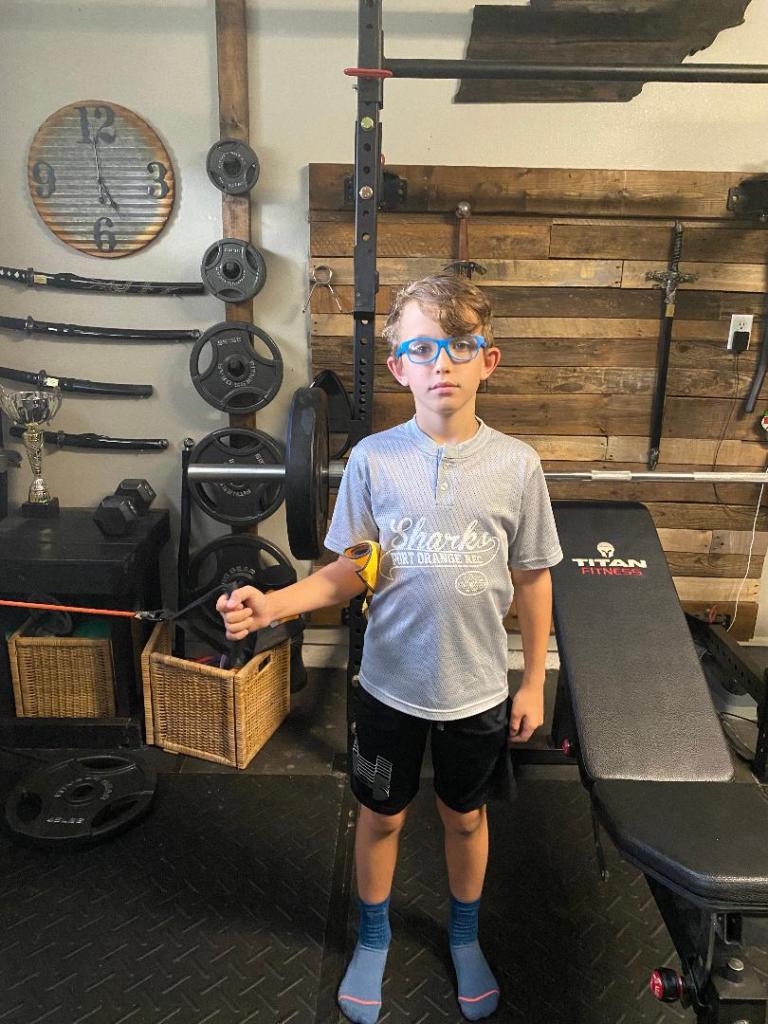
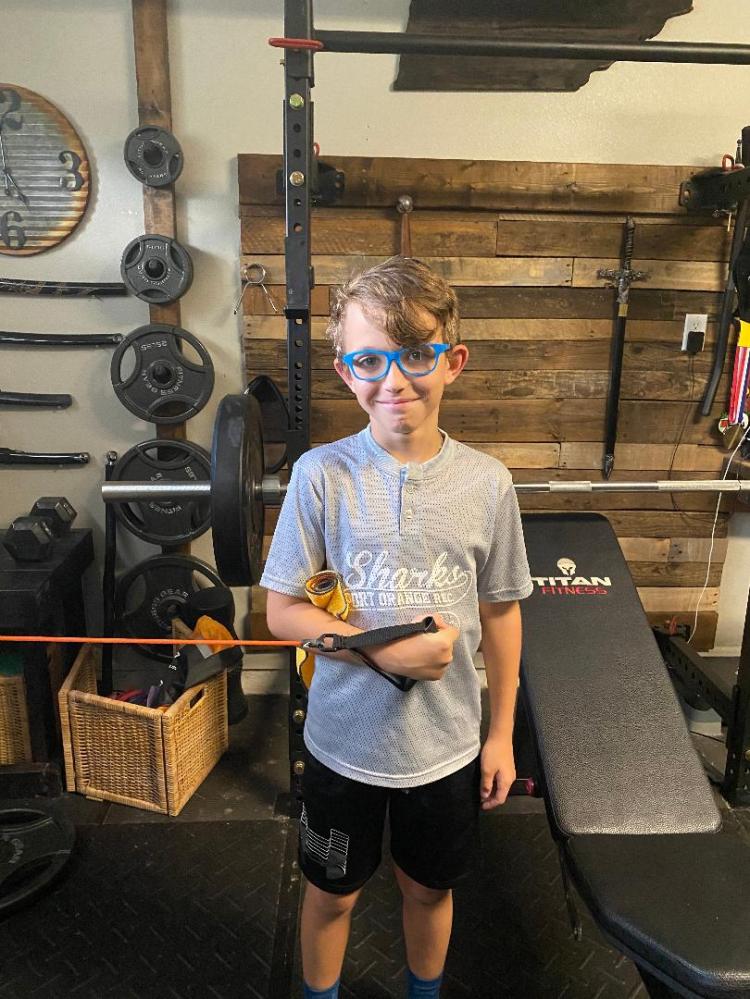
External Rotation: These muscles are smaller and tolerate less weight than internal rotation. Holding a resistance band or pulley, rotate your upper arm away from your body without moving your elbow. Again imagine your upper arm spinning.
You can tuck a towel or small pad under your arm to assist in maintaining correct alignment and length-tension relationship of your supraspinatus muscle.
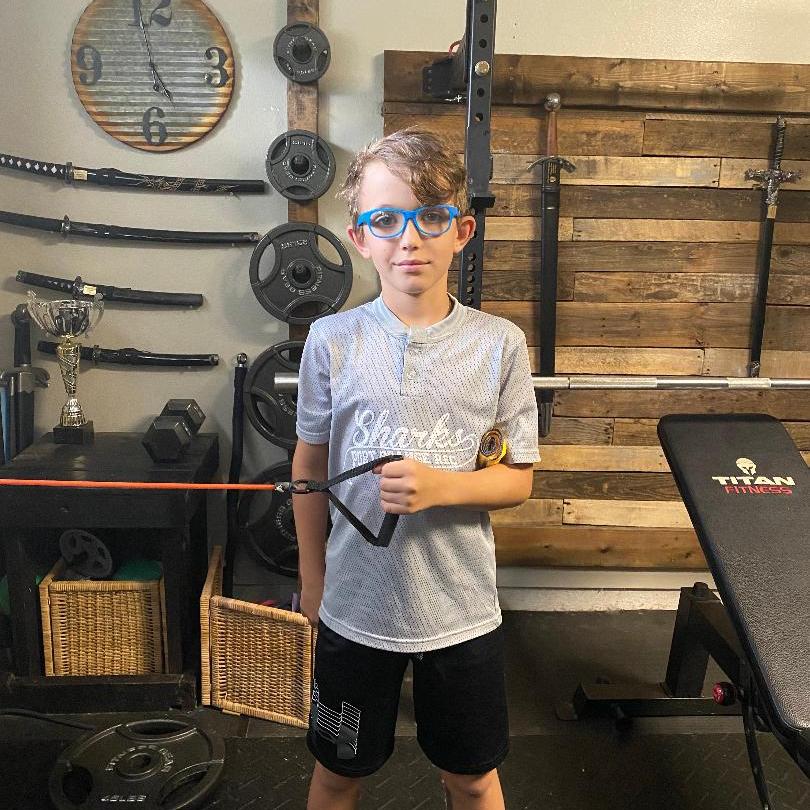
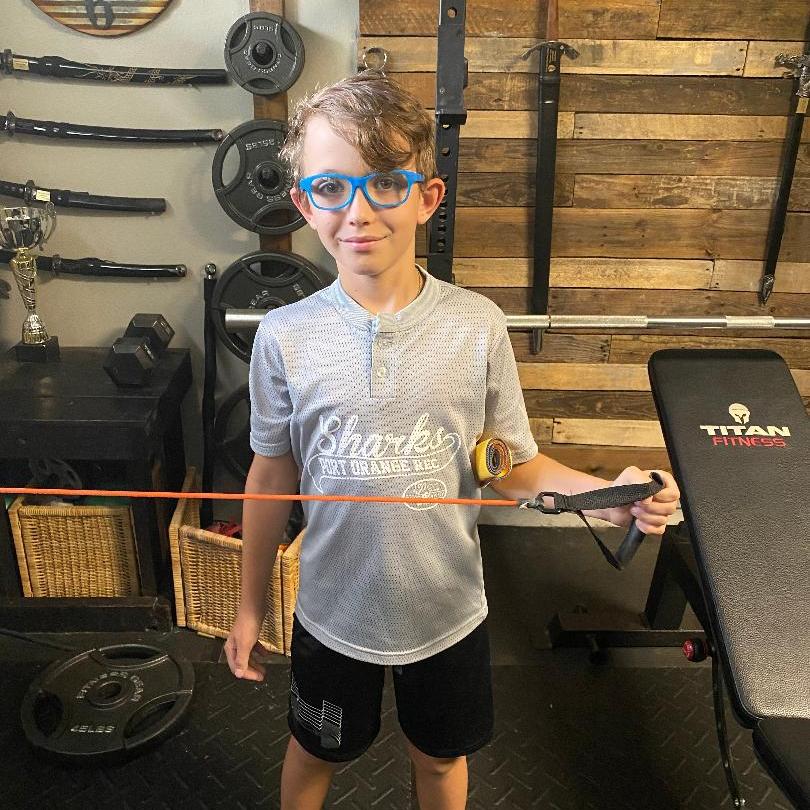
Common form mistakes:
Poor alignment to start.
Not maintaining a 90 degree angle at the elbow or allowing the elbow to travel away from your body.
Rotating your whole body.
Shoulder lifting up towards your ear.
These exercises can be done every other day 3 x 15 reps to keep those cuff muscles strong and pain free.
Don’t feel that shoulder pain is inevitable or just a part of your life now. There is plenty that can be done to treat and prevent rotator cuff tears.
Thanks for reading and feel free to direct any questions to allgainnopaintony@gmail or @tonyarnoldfitlife on IG.
 All Gain No Pain
I enjoyed the article Tony. It’s been a long time since the UNF athletic training so this was a good refresher. Keep up the good work.
LikeLike