My old back.
Sciatica.
My back went out.
Or even worse I “threw my back out.”
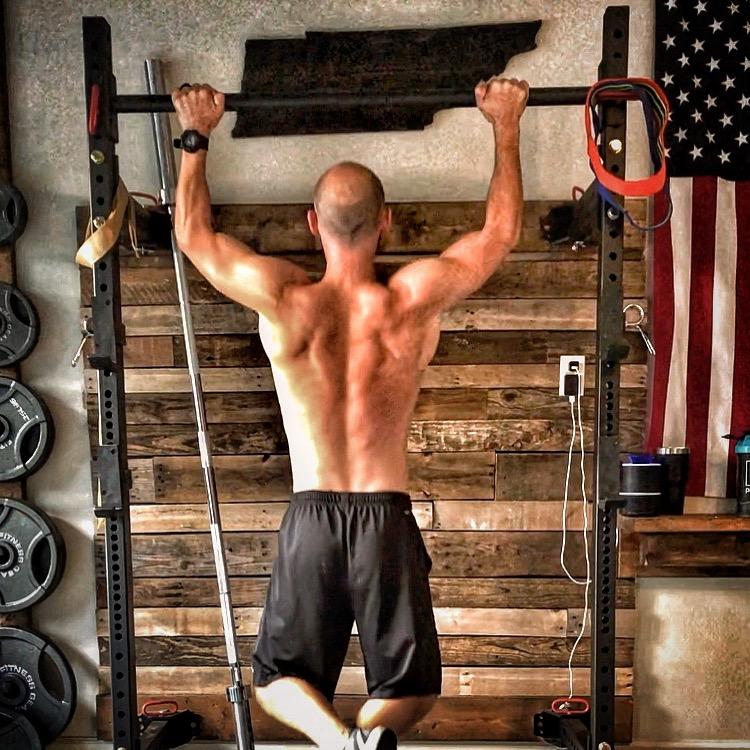
People have plenty of names and phrases for the most common complaint humans make about their physical self. In short, their back hurts.
I’ve previously talked about what NOT to do in order to keep this from hurting.
Now let’s talk about what TO DO if it does hurt.
In the last 13 years treating patients I’ve seen everyone from bodybuilders to little old ladies and the one thing most of them have in common is a weak erector spinae group.
Doesn’t matter what you bench bro, your back is probably weak.
This happens for a few reasons, from sitting to glute weakness to tight hip flexors and quads.
So how do we fix it?
- Isolate the lumbar extensors. The erector spinae group. The best way to do this is on a machine. Preferably one with your feet slightly elevated and some sort of belt or pad to keep your thighs down. 1-2 sets to failure, 1-2 times per week is plenty for this muscle group. Keep in mind this muscle also keeps your spine erect all day, so it needs extra time to recover making it easy to overtrain. Continue progressively overloading this muscle group. Keep reps around 15-20 but you should continue to challenge the muscle by increasing the weight so that you are reaching failure in that rep range. This is why a machine better than hyperextensions or “dead bugs” or “supermans.” Eventually with those bodyweight type exercises you will lose the ability to progress, unless you are doing thousands of reps per day. If you don’t have a machine I would go with hyperextensions, but remove the “hyper” and focus on just extending your spine. Any motion beyond full extension is probably coming out of your hips anyway.
- Strengthen your hamstrings. An extremely high percentage of patients with lumbar pain will have tight and weak hamstrings. Most of those people will try to stretch those to relieve their pain. It won’t work and here is why. The hamstrings attach below your knee on the backside of your leg, they originate off of your pelvis. When your lower back and hip flexors are tight, it anteriorly tips your pelvis taking the origin of the hamstrings and raising it higher. Essentially you have taken a rubber band and stretched it all the way out. It feels tight, there’s not much range of motion, so you try to stretch it. But no matter how much you do it is not going to get any longer. The key is to strengthen the hamstrings (and address the other issues) to get that rubber band back to where it can stretch and contract properly again. Seated hamstring curls are the safest way to address the hamstring strength in a patient with lower back pain.
- Stretch the hip flexors. Often unaddressed, this is a major player in lower back pain. I prefer the kneeling hip flexor stretch, being sure that you are contracting the glute on the leg you are stretching to ensure a lengthening of the hip flexor and not just continuing to anteriorly tip the pelvis.
So the next time your back “goes out” try these three things. Even better start them now to prevent your back from going anywhere in the first place.
As always reach out with questions in the comments, email allgainnopaintony@gmail.com or @tonyarnoldfitlife on IG.
 All Gain No Pain